
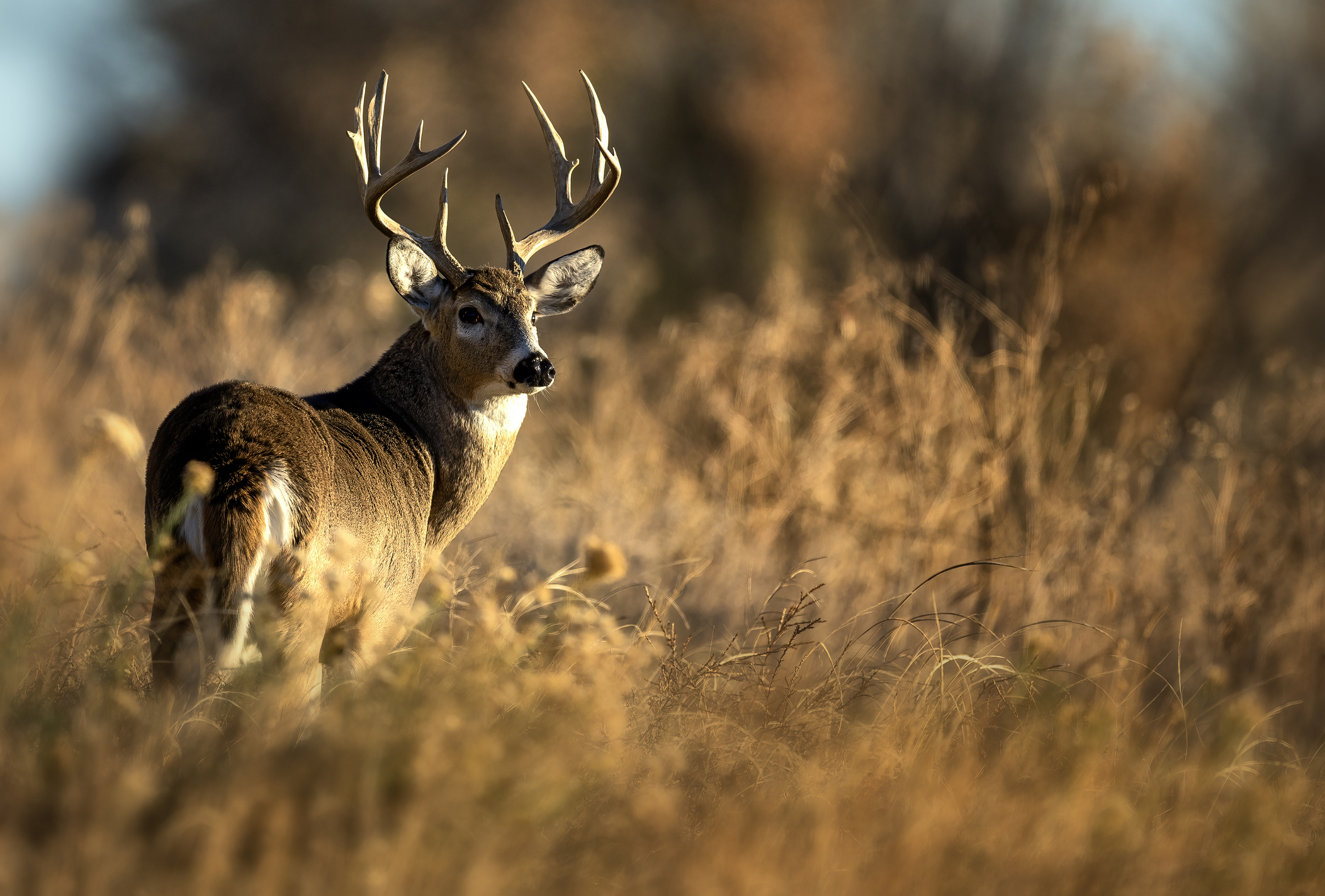
Every hunter dreams of spotting a mature buck carrying a heavy, symmetrical rack. While genetics certainly play a role in antler size, they're only one piece of the puzzle. Age, nutrition, and habitat quality all work together to determine how impressive a buck's antlers become each year.
Understanding how antlers grow—and what deer need during that process—can help landowners and hunters make better management decisions that benefit the entire herd.
Antlers: Nature's Fastest Growing Bone
Unlike horns, antlers are shed and regrown every year. In fact, antlers are among the fastest-growing bone structures in the animal kingdom. During the spring and summer, bucks can grow antlers at an astonishing rate, fueled by a soft, blood-rich covering called velvet. As testosterone levels rise heading into fall, the velvet dries and sheds, revealing the hardened antlers that bucks use during the rut.
This incredible growth demands an enormous amount of energy, protein, vitamins, and minerals. If a buck doesn't receive adequate nutrition during the growing season, he'll prioritize body maintenance over antler development.
The Three Biggest Factors in Antler Growth
1. Nutrition
Nutrition is the most manageable factor for property owners. Research has consistently shown that deer with access to quality forage and high-protein diets develop significantly larger antlers than deer on poor-quality nutrition. Studies have demonstrated that differences in dietary protein can lead to dramatic differences in antler size over several years.
Protein provides the building blocks for new tissue, while minerals like calcium and phosphorus help strengthen the antlers as they harden. Energy-rich feeds also ensure bucks have enough reserves to support rapid antler growth without sacrificing overall health.
2. Age
Young bucks simply haven't reached their full potential. Most whitetails don't display their largest antlers until they're between 4½ and 6½ years old. Younger deer are still investing nutrients into body growth, leaving fewer resources available for antlers. Allowing bucks to mature is one of the most effective ways to improve overall antler quality.
3. Genetics
Good genetics establish a buck's maximum potential, but genetics alone won't produce trophy antlers. Even deer with outstanding genetics require proper nutrition throughout the year to fully express that potential. Without adequate forage and supplemental feeding, many bucks never reach the antler size they're genetically capable of producing.
Feeding for Better Antler Development
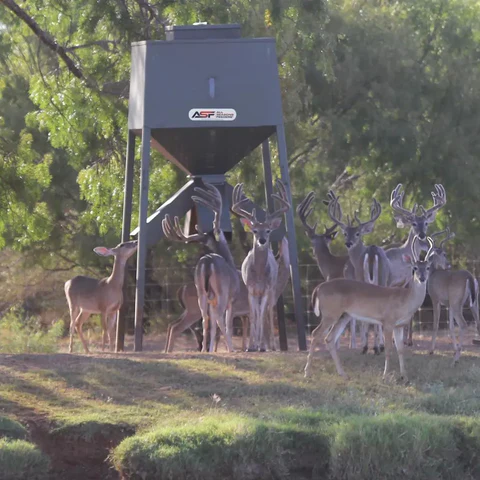
Supplemental feeding can help bridge nutritional gaps, especially during periods when natural forage is limited.
A complete feed such as AntlerMax Deer 20 CG Bio LG provides the protein, energy, vitamins, and minerals bucks need during the critical antler-growing months. Learn more here:
https://www.grogansfr.com/antlermax-deer-20-cg-bio-lg
Adding quality energy sources also helps deer maintain body condition while supporting antler production. Fortified Cotton Seed is an excellent option that supplies fat, protein, and fiber, making it especially valuable during stressful weather conditions or when natural browse declines.
https://www.grogansfr.com/fortified-cotton-seed-40
Corn remains one of the most popular supplemental feeds because it delivers readily available energy that helps deer maintain weight and body condition. While corn alone isn't a complete nutritional program, it works well alongside high-protein feeds to provide additional calories throughout the year.
https://www.grogansfr.com/corn-50-bag
Habitat Matters Too
Supplemental feed is only part of the equation. A healthy habitat with diverse native browse, food plots, clean water, and adequate cover gives deer access to the nutrients they need naturally.
Managing timber, controlling invasive plants, planting seasonal food plots, and reducing herd pressure can all improve the quality of available forage. Combined with strategic supplemental feeding, these practices help create healthier deer and stronger antler growth.
Build Better Bucks Year After Year
Growing bigger antlers doesn't happen overnight. It takes a long-term commitment to herd management, quality nutrition, and allowing bucks to reach maturity.
Whether you're managing a hunting property or simply enjoying wildlife on your land, providing balanced nutrition throughout the year can make a noticeable difference. By combining high-quality feeds like AntlerMax Deer Feed, Fortified Cotton Seed, and Corn with sound habitat management, you're giving your deer herd the resources it needs to reach its full potential.
Healthy deer don't just grow better antlers—they produce healthier fawns, improve herd longevity, and create a stronger wildlife population for years to come.