Branch: Grogan's Farm & Ranch, San Angelo
0 $0.00
items in your cartto quote To cart
Ooops no items were found.
Try something else.
Ok
Loading…

Protecting Your Herd: What New World Screwworm Is and How to Prevent, Identify, and Treat It

5 min

New World screwworm (Cochliomyia hominivorax) is one of the most serious, reportable pests a livestock operation can face. Unlike many other blowfly larvae that feed on dead tissue, screwworm larvae feed on living tissue, causing rapidly expanding wounds, severe pain, and — if untreated — serious losses. This post explains what screwworm is, how to spot it early, practical prevention steps for ranches, and how to respond and treat suspected cases. If you suspect screwworm on your property, contact your veterinarian immediately — screwworm is a reportable condition and rapid action is essential.

What is New World screwworm?

  • Screwworm is the larval stage of the screwworm fly. The female fly lays eggs in an open wound or natural orifice; the eggs hatch into larvae that burrow and eat living tissue.

  • Infestations can progress quickly; a small wound can become a large, tissue-destroying lesion within days.

  • Because screwworm is a reportable pest in many countries (including the U.S. when outbreaks occur), notify your veterinarian and state animal health officials if you suspect it.

How to identify screwworm infestations

  • Early signs:

    • A wound that will not heal or seems to enlarge despite care.

    • Animals repeatedly licking, rubbing, or isolating themselves.

    • Unexplained weight loss, fever, or decreased appetite in affected animals.

  • Visual signs on the wound:

    • Presence of maggots/larvae in the wound. Screwworm larvae are typically creamy-white and may have a tapered shape.

    • Wound tissue that appears undermined, with irregular edges and a foul or unusual odor.

    • Continuous production of exudate (fluid) from the lesion.

  • Note: Any maggots in a wound should be considered suspicious until a veterinarian confirms the species. Correct identification is critical because screwworm requires immediate, often regulatory, reporting and response.

Preventing screwworm — practical measures for ranchers

  1. Wound prevention and prompt care

    • Treat every cut, brand, tag site, and castration or dehorning wound promptly. Even very small wounds can attract screwworm flies.

    • Keep newborn navel areas clean and treated immediately after birth.

    • Use appropriate topical wound protectants / repellents to reduce fly access to healing tissue.

  2. Timing of procedures

    • Whenever possible, schedule castration, dehorning, and other procedures during periods of lower fly activity (cooler months) to reduce risk.

  3. Fly control

    • Maintain effective fly control across the herd: eartags, pour-ons, dust bags, and environmental control (manure management) all reduce overall fly pressure and the risk of flies finding wounds.

    • Keep feed and bedding areas clean and remove decaying organic matter that attracts flies.

  4. Herd monitoring & biosecurity

    • Inspect animals regularly — look for new wounds and check healing sites daily after procedures.

    • Isolate suspicious animals to limit spread or additional fly exposure.

    • Limit movement of animals from high-risk areas without inspection and quarantine.

  5. Education & readiness

    • Train staff to recognize suspicious wounds and maggots.

    • Keep larvicidal treatment and wound-care supplies on hand and know your veterinarian’s emergency contact procedures.

Treatment steps if you suspect screwworm

If you find maggots in a wound or strongly suspect screwworm:

  1. Isolate the animal and protect handlers (use gloves, proper restraint).

  2. Call your veterinarian immediately. Screwworm is a serious, often reportable condition — the vet will advise and may coordinate with animal health authorities.

  3. Mechanical removal and cleaning

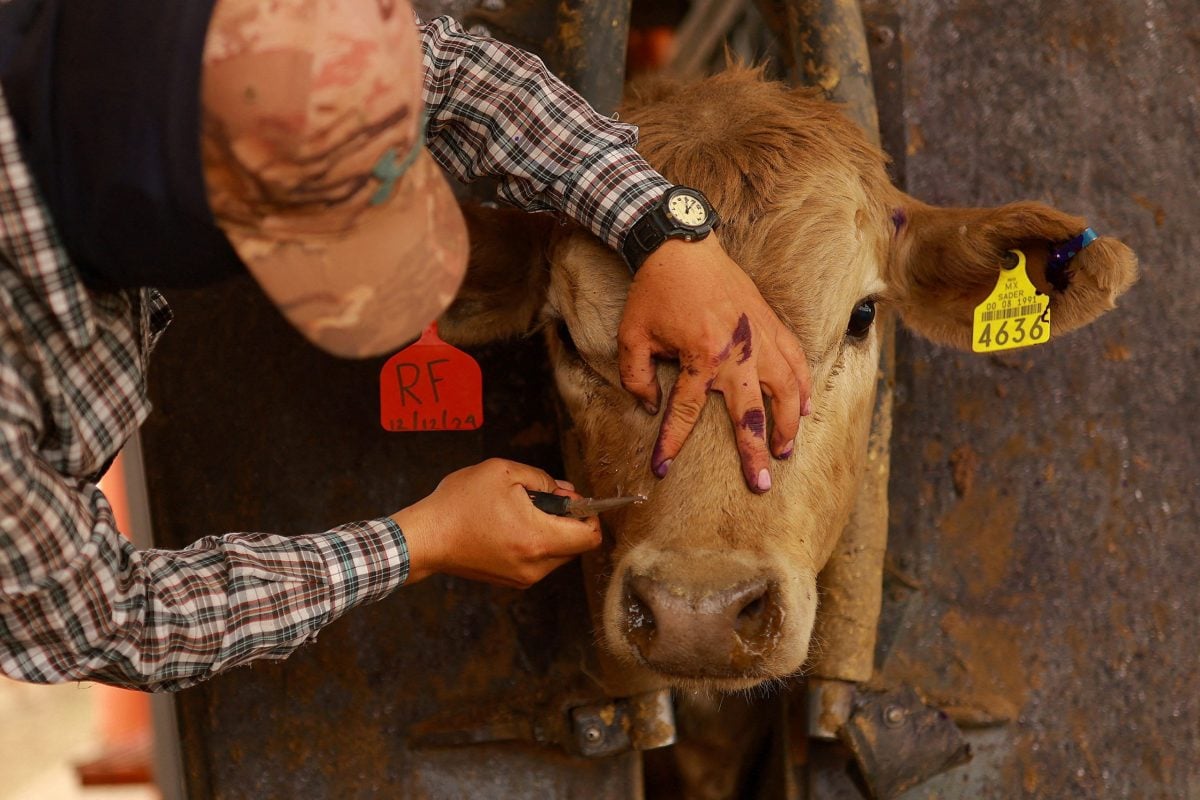
    • The wound must be thoroughly cleaned and all larvae removed. This is frequently done under sedation and local anesthesia by a veterinarian to ensure complete removal.

  4. Larvicidal topical treatment

    • Use an approved larvicide or aerosol labeled for screw-worm control to kill remaining larvae. For example, ProZap Screw Worm Aerosol is a readily available topical product for treating larvae in wounds: ProZap Screw Worm Aerosol (12oz). Follow label directions exactly.

  5. Systemic therapy and supportive care

    • The animal may require systemic antibiotics to prevent or treat secondary bacterial infection, plus anti-inflammatories and fluid/supportive care as indicated by the vet.

    • Some producers and veterinarians use systemic parasiticides as part of an overall parasite-control program. Products such as Dectomax (doramectin) are commonly stocked for parasite control and may be used under veterinary guidance: Dectomax Inj 500 mL and Dectomax Inj 100 mL. Always use systemic products under the direction of your veterinarian and according to label instructions.

  6. Follow-up and monitoring

    • Wounds must be rechecked frequently to ensure no larvae remain and to monitor healing. Re-treatment may be necessary.

  7. Reporting

    • Because screwworm is a reportable pest in many jurisdictions, follow local regulations and cooperate with veterinary and animal health authorities.

Safety and product use

  • Always read and follow product labels. Many larvicides and antibiotics require veterinary prescription or administration.

  • Do not attempt to self-diagnose the fly species when screwworm is suspected — contact your veterinarian. Rapid, correct action protects the animal and avoids potential regulatory implications.

  • Use personal protective equipment when handling wounds and larvae.

Ready-to-stock products at Grogan’s

If you need supplies or want to discuss prevention products and best practices for your herd, stop by or visit Grogan’s Farm & Ranch. We can help you assemble a wound-care and fly-control kit and put you in touch with local veterinarians.

Final notes

Screwworm is fast-moving and can be devastating if not handled quickly. Vigilant wound care, sound fly control, early detection, and immediate veterinary involvement are the keys to protecting your herd. If you suspect screwworm on your property, treat it as an emergency: isolate the animal, call your vet, and follow professional guidance.

Would you like this post formatted for your blog CMS (meta description, slug, and suggested featured image text), or would you like me to expand a specific section into a printable checklist for your team?

SEARCH ×

Search